Healthy high protein smoothies are a fantastic way to fuel your body with sustained energy throughout the day. This article focuses on a delicious smoothie recipe that delivers a substantial 46 grams of protein per serving. Understanding how to incorporate enough protein into your diet is essential for maintaining muscle mass, feeling fuller for longer, and supporting overall well-being. This makes our recipe particularly relevant for active individuals, those looking for satisfying meal replacements, or anyone aiming to boost their daily protein intake. We’ll walk you through the simple ingredients and preparation steps for this nourishing beverage. You’ll also discover tips for customization and how this protein-rich option can seamlessly fit into your routine for a healthier lifestyle.
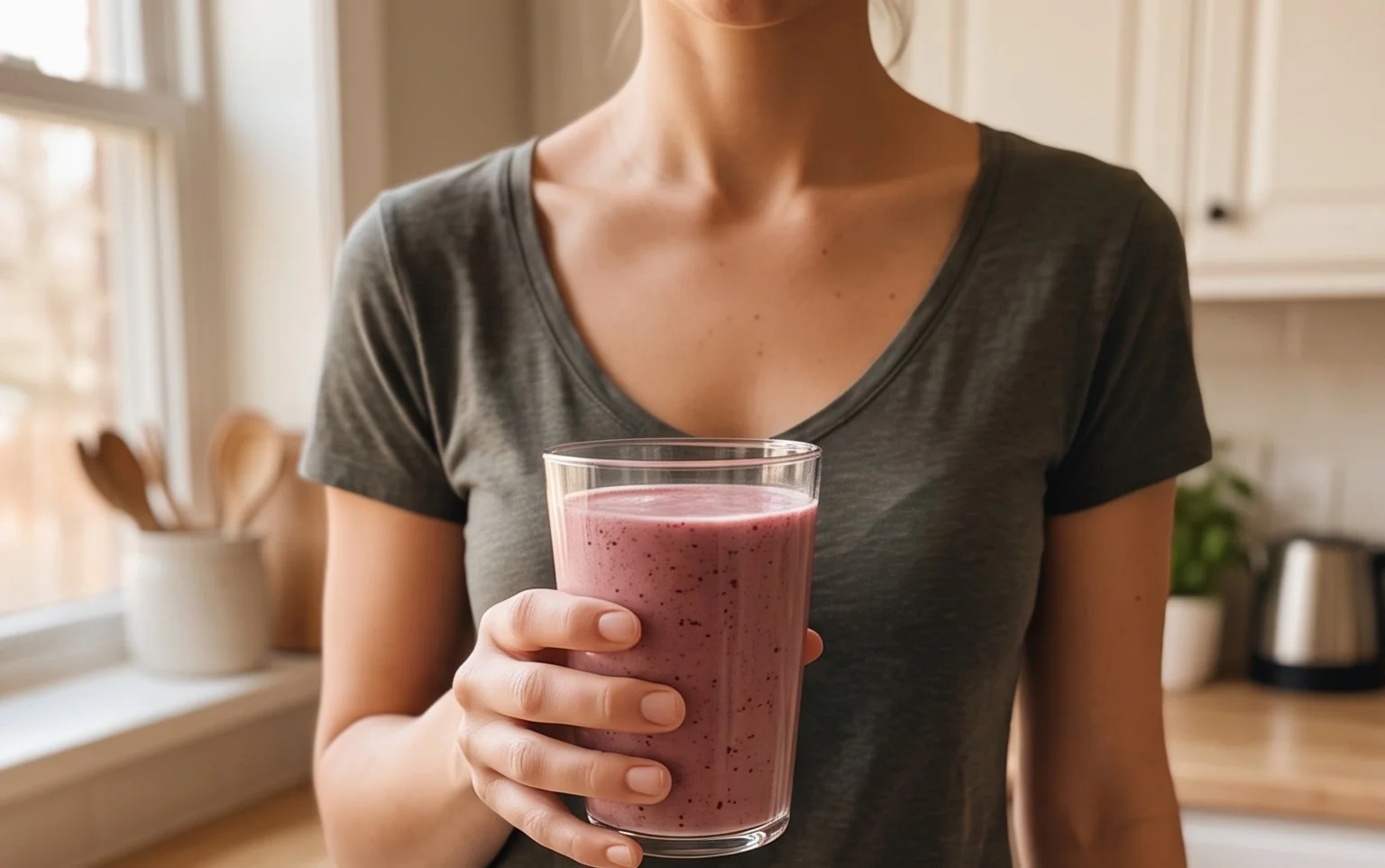
Healthy High Protein Smoothie (46 Grams Per Serving)
Have you ever felt that mid-afternoon slump, or struggled to recover after a workout? The right nutrition can make a significant difference, and a well-crafted smoothie can be a delicious and efficient way to fuel your body. This article focuses on a specific recipe: a healthy high-protein smoothie designed to deliver approximately 46 grams of protein per serving. We’ll explore what this means for your body, the general guidance around protein intake, and how you can easily incorporate this nutrient-rich option into your daily routine.
What is a Healthy High Protein Smoothie?
In plain language, a healthy high-protein smoothie is a blended beverage made from a combination of ingredients that are rich in protein and also provide other essential nutrients like vitamins, minerals, and fiber. The “high protein” aspect means that a significant portion of the smoothie’s calorie content comes from protein sources. Our target of 46 grams of protein per serving is considered substantial and can contribute significantly to daily protein needs. Think of it as a nutrient-dense liquid meal or snack designed to support your body’s functions, from muscle repair and growth to satiety and energy levels. The “healthy” descriptor implies that the smoothie is made with whole, unprocessed ingredients and limits added sugars, unhealthy fats, and artificial additives.
Common Signs or Factors That Might Make a High-Protein Smoothie Beneficial
Several everyday signs and factors can indicate that increasing your protein intake, perhaps through a smoothie, could be beneficial.
* Feeling constantly hungry shortly after meals.
* Experiencing energy crashes, especially in the afternoon.
* Having difficulty recovering after physical activity or workouts.
* Struggling to build or maintain muscle mass, even with exercise.
* A general feeling of low energy or fatigue throughout the day.
* Increased appetite or cravings for unhealthy snacks.
* Adopting a more active lifestyle or engaging in regular exercise.
* Seeking a convenient and quick meal or snack option.
* Needing to support recovery after illness or injury.
What General Guidance Says About Protein Intake
Health authorities generally emphasize the importance of adequate protein intake for overall health and well-being. Protein is a fundamental building block for the body, essential for repairing and building tissues, including muscles, bones, skin, and hair. It also plays a crucial role in producing enzymes, hormones, and other vital body chemicals.
General guidance suggests that protein needs vary based on several factors, including age, sex, activity level, and overall health status. For adults, a commonly cited range for recommended daily protein intake is around 0.8 grams per kilogram of body weight for sedentary individuals. However, for those who are more active, athletes, older adults, or individuals recovering from illness or injury, this recommendation can increase significantly, sometimes doubling or more. This is where a high-protein smoothie can be a valuable tool to help meet these higher demands. The emphasis is always on obtaining protein from a variety of sources as part of a balanced diet.
Practical Everyday Habits to Act On
Incorporating a healthy high-protein smoothie into your routine is simpler than you might think. Here are some practical habits you can adopt:
1. **Prep Your Ingredients:** The night before, portion out your non-perishable ingredients (protein powder, seeds, oats) into a container or bag. This saves valuable time in the morning.
2. **Have a Designated Smoothie Station:** Keep your blender and frequently used ingredients (like frozen fruit, spinach, nut butter) easily accessible in your kitchen.
3. **Make it a Morning Ritual:** Aim to have your smoothie within an hour or two of waking up, or as a post-workout recovery drink, to kickstart your day or aid muscle repair.
4. **Listen to Your Body:** Pay attention to how you feel after consuming the smoothie. Does it keep you full? Does it provide sustained energy? Adjust ingredients based on your personal response.
5. **Vary Your Flavors and Ingredients:** To prevent boredom and ensure a wider range of nutrients, experiment with different fruits, vegetables, liquids, and protein sources.
6. **Consider it a Meal Replacement or Nutrient Boost:** Use the smoothie as a quick breakfast, a satisfying lunch on a busy day, or as a substantial snack between meals to curb hunger and provide sustained energy.
7. **Clean Your Blender Immediately:** A quick rinse right after use prevents ingredients from drying and makes cleaning much easier later.
What the Evidence Does and Does Not Support
The evidence strongly supports the role of protein in muscle synthesis and repair, which is why high-protein diets are often recommended for athletes and individuals engaged in regular strength training. Adequate protein intake is also linked to increased satiety, meaning it can help you feel fuller for longer, which may be beneficial for weight management.
Furthermore, protein is vital for immune function, hormone production, and maintaining lean body mass, especially as we age. Studies have shown that incorporating protein into meals and snacks can help stabilize blood sugar levels, leading to more consistent energy throughout the day.
However, it’s important to acknowledge what the evidence does *not* unequivocally support without nuance:
* **Extreme Protein Intake for General Populations:** While higher protein is beneficial for certain groups, extremely high, unregulated protein intake without considering overall diet and kidney function is not universally recommended for the general population and can have potential downsides.
* **Protein as a Magic Bullet for Weight Loss:** While protein can aid satiety and support muscle, it’s not a sole solution for weight loss. Sustainable weight loss typically involves a balanced approach of diet and exercise.
* **Specific Protein Amounts for Unproven Benefits:** Claims that specific, very high protein amounts are necessary for every minor health concern lack robust scientific backing. General recommendations based on activity levels are more reliable.
* **Protein Powders as a Superior Source:** While convenient, whole food protein sources often come with a broader spectrum of vitamins, minerals, and fiber that can be equally or more beneficial. Protein powders are best viewed as a supplement to a balanced diet, not a replacement for it.
Common Myths Worth Correcting
Several myths surround protein intake and high-protein diets that are worth addressing to ensure accurate understanding.
Myth 1: “You’ll bulk up and get too muscular if you eat too much protein.”
Fact: Muscle growth requires a combination of sufficient protein intake *and* consistent resistance training. For most individuals, particularly women, simply increasing protein intake without a dedicated training program will not lead to significant, unwanted muscle bulk. Protein is essential for muscle repair and maintenance, not automatic overgrowth.
Myth 2: “Only athletes need to worry about protein intake.”
Fact: While athletes certainly have higher protein needs, protein is crucial for everyone. It’s involved in countless bodily functions, from cell repair to hormone production, essential for all age groups and activity levels.
Myth 3: “Drinking a protein shake after every workout is mandatory for gains.”
Fact: While post-workout protein is beneficial, the timing isn’t as critical as some believe. Consuming adequate protein throughout the day, and ensuring sufficient intake within a few hours of your workout, is generally effective for most people. A balanced meal can often provide this.
Myth 4: “More protein is always better.”
Fact: While protein is important, there are upper limits. Excessive protein intake can strain the kidneys in individuals with pre-existing kidney conditions, and it can displace other essential nutrients if it makes up too large a percentage of your diet. A balanced approach is key.
Clear Signs That Mean Someone Should Speak to a Qualified Professional
While a high-protein smoothie can be a beneficial addition to many diets, it’s crucial to recognize when professional guidance is necessary. If you experience any of the following, it’s advisable to consult with a qualified healthcare professional or a registered dietitian:
* **Persistent or severe digestive issues:** This includes chronic bloating, gas, constipation, diarrhea, or abdominal pain that you cannot attribute to a specific dietary change.
* **Sudden and unexplained weight loss or gain:** Significant and unintentional changes in body weight can signal underlying health concerns.
* **Symptoms suggestive of kidney problems:** This might include changes in urination frequency or color, swelling in the ankles or feet, or persistent fatigue.
* **Pre-existing kidney or liver disease:** If you have a diagnosed condition affecting these organs, it’s essential to discuss any significant dietary changes, including increased protein intake, with your doctor.
* **Nutrient deficiencies:** If you suspect you are not getting enough essential vitamins and minerals, a professional can help identify the cause and create a balanced plan.
* **Eating disorders or disordered eating patterns:** If you have concerns about your relationship with food, body image, or restrictive eating, seeking professional help is paramount.
* **Chronic health conditions:** Individuals managing conditions like diabetes, heart disease, or autoimmune disorders should always consult their healthcare provider before making major dietary adjustments.
* **Concerns about medication interactions:** Some dietary components can interact with medications. A professional can advise you on potential interactions.
An
section advising the reader to consult a qualified healthcare professional for personal advice
This article provides general information about healthy high-protein smoothies and protein intake. It is important to remember that individual nutritional needs vary significantly based on age, activity level, health status, and personal goals. The information presented here should not be considered a substitute for professional medical or dietary advice. If you have any concerns about your diet, health, or whether a high-protein smoothie is appropriate for you, please consult with a qualified healthcare professional, such as a doctor or a registered dietitian. They can provide personalized recommendations tailored to your specific circumstances and ensure that any dietary changes you make are safe and beneficial for your overall health.
Conclusion
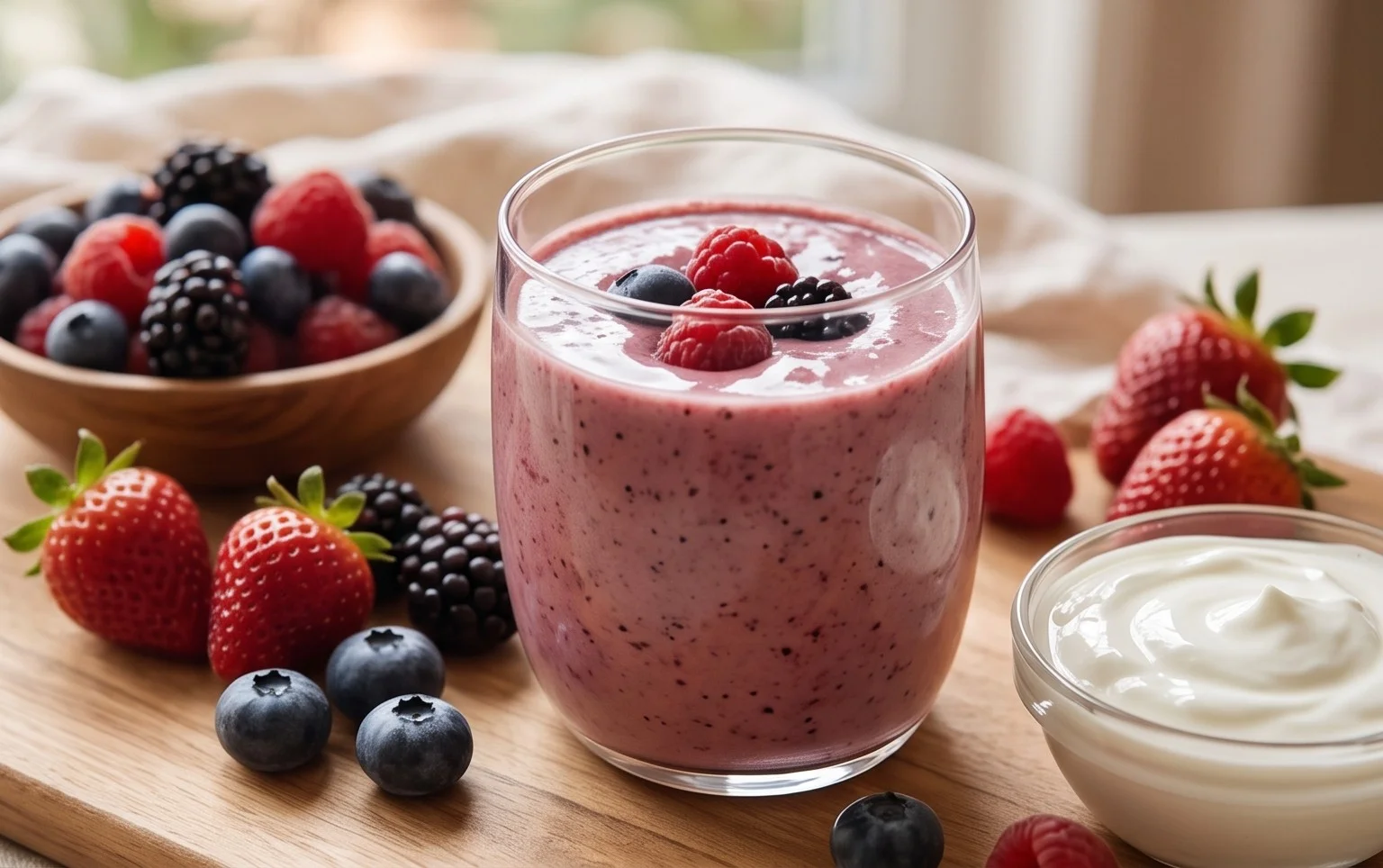
Incorporating a high protein smoothie, like the 46-gram option we explored, is a simple yet effective way to boost your daily nutrient intake. Remember, the key to lasting health and wellness lies in consistent, manageable steps. Instead of aiming for perfection overnight, focus on integrating these nutritious choices into your routine one day at a time. This healthy high protein smoothie can be a fantastic building block for a more energized you.
Please note: The information provided here is for general knowledge and informational purposes only, and does not constitute medical advice. Always consult with a qualified healthcare professional for any health concerns or before making any decisions related to your health or treatment.
We encourage you to explore other articles on our site for more tips on creating balanced meals and achieving your wellness goals.