Detoxing your armpits might sound like a novel concept, but understanding what it entails and why it matters can lead to a noticeable difference in your daily comfort and overall well-being. Essentially, armpit detoxing refers to methods aimed at gently cleansing the underarm area, often to address concerns related to conventional antiperspirant ingredients or accumulated buildup. This practice is particularly relevant for individuals who have recently switched to natural deodorants, experience skin sensitivity, or simply wish to support their body’s natural processes.
This article will explore the underlying reasons why some people choose to detox their armpits, demystifying the process in a calm and factual manner. We will then provide practical, supportive guidance on how to approach an armpit detox safely and effectively, focusing on gentle, natural methods to promote comfort and balance. Our aim is to empower you with knowledge, not to alarm or make unverified claims.
## Detox Your Armpits: Understanding the Benefits and How to Do It Safely
In the pursuit of overall well-being, we often focus on cleansing our internal systems. But what about the often-overlooked areas of our body, like our armpits? The idea of “detoxing” your armpits might sound unusual, but there’s a growing interest in understanding what might accumulate in this sensitive area and how we can support its natural functions. This article will break down what armpit detox entails, common signs that might prompt you to consider it, practical steps you can take, and what the science actually says.
### What is an Armpit Detox?
In plain language, an armpit detox refers to a process aimed at removing potential buildup of antiperspirant or deodorant residue, dead skin cells, and other impurities from the underarm area. The concept suggests that these substances can clog pores, potentially leading to irritation, odor, and other concerns. The goal is to allow the skin in this region to “breathe” and function more naturally. It’s not about eliminating toxins in the dramatic sense often portrayed in popular culture, but rather about cleansing and supporting the skin’s natural processes.
### Common Signs or Factors Indicating a Need for Armpit Care
Several factors might make you consider paying more attention to your armpits. These are often subtle and related to your daily habits and the products you use.
* **Persistent Odor:** Even after showering and applying deodorant, you experience noticeable underarm odor. This can sometimes be due to bacteria interacting with sweat, but some theories suggest product buildup can contribute.
* **Skin Irritation:** Redness, itching, or a rash in the armpit area, especially after switching deodorants or antiperspirants, could indicate sensitivity or irritation from product residue.
* **Changes in Skin Texture:** You might notice a slightly thicker or greasier feeling in your armpits, which some believe is a sign of product accumulation.
* **Transitioning to Natural Deodorants:** When moving from conventional antiperspirants (which block sweat) to natural deodorants (which aim to neutralize odor), some individuals report a temporary increase in odor or sweating as their body adjusts. An armpit detox is often suggested during this transition period to help clear out old product residue.
* **Frequent Use of Antiperspirants:** Products containing aluminum compounds are designed to block sweat glands. Over time, residue from these can accumulate.
### General Guidance for Supporting Underarm Health
Health authorities generally emphasize basic hygiene and skin care practices for all parts of the body, including the armpits. The overarching guidance focuses on keeping the skin clean, dry, and free from irritation.
* **Regular Washing:** Daily cleansing with mild soap and water is universally recommended to remove sweat, bacteria, and impurities.
* **Thorough Rinsing:** Ensure all soap residue is completely rinsed away to prevent potential irritation.
* **Gentle Drying:** Patting the skin dry rather than rubbing can help avoid friction and irritation.
* **Choosing Appropriate Products:** Selecting deodorants or antiperspirants that are gentle on your skin and suit your individual needs is advised. For those with sensitive skin, fragrance-free or hypoallergenic options are often suggested.
* **Allowing Skin to Breathe:** Giving your underarms a break from products when possible, such as overnight, can be beneficial.
### Practical Everyday Habits for Armpit Care
Incorporating simple habits into your daily routine can significantly contribute to the health and well-being of your armpits. These are actionable steps that don’t require drastic measures.
* **Daily Washing:** Make it a point to wash your armpits thoroughly every day, ideally with a gentle, fragrance-free soap and lukewarm water. This is the most fundamental step in preventing buildup.
* **Pat Dry Gently:** After washing, use a clean towel to gently pat your underarms dry. Avoid vigorous rubbing, which can irritate the skin.
* **Consider a “Product Break”:** If you use antiperspirant or deodorant daily, try going without it for a night or two a week. This allows your skin to rest and function naturally without product interference.
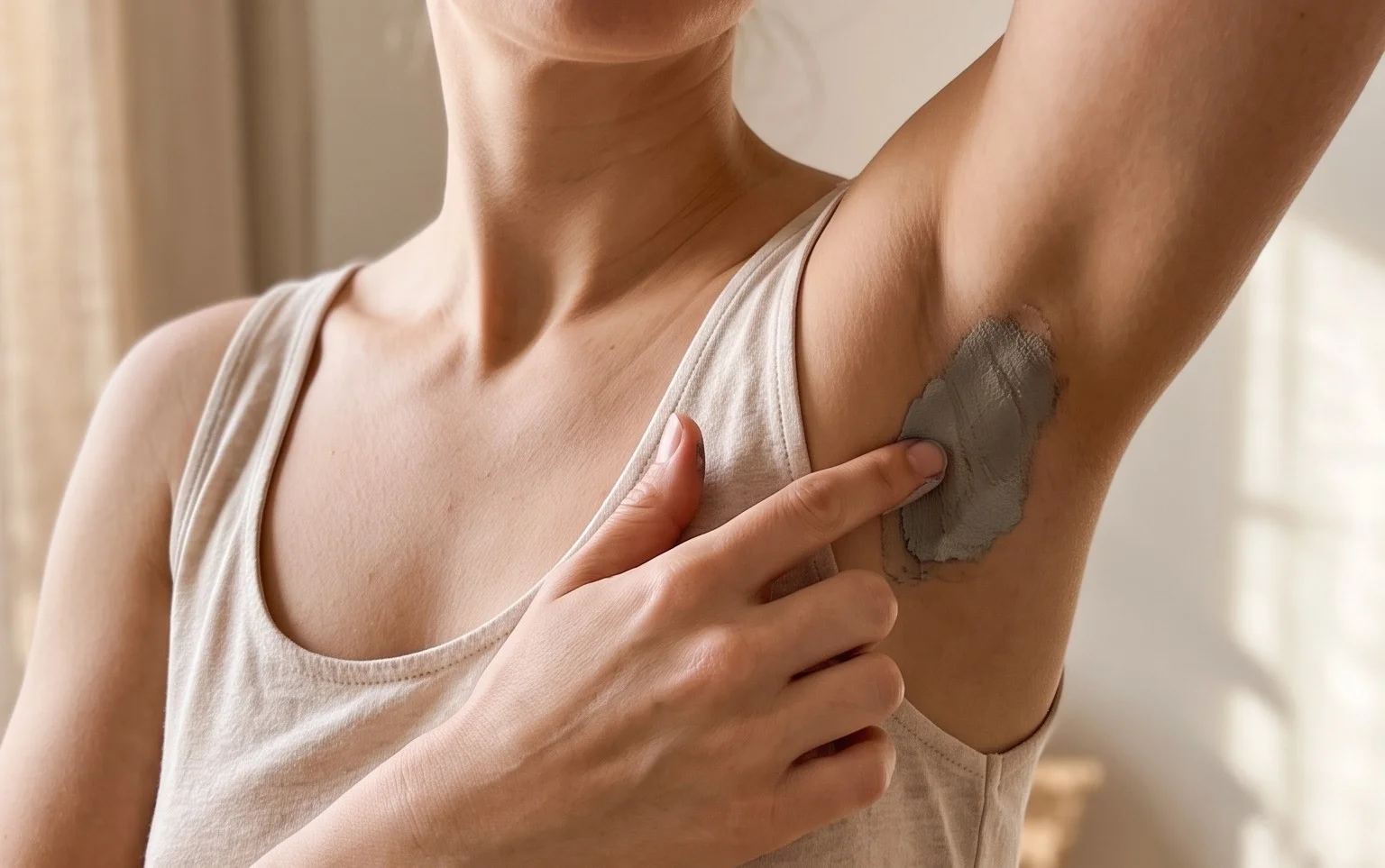
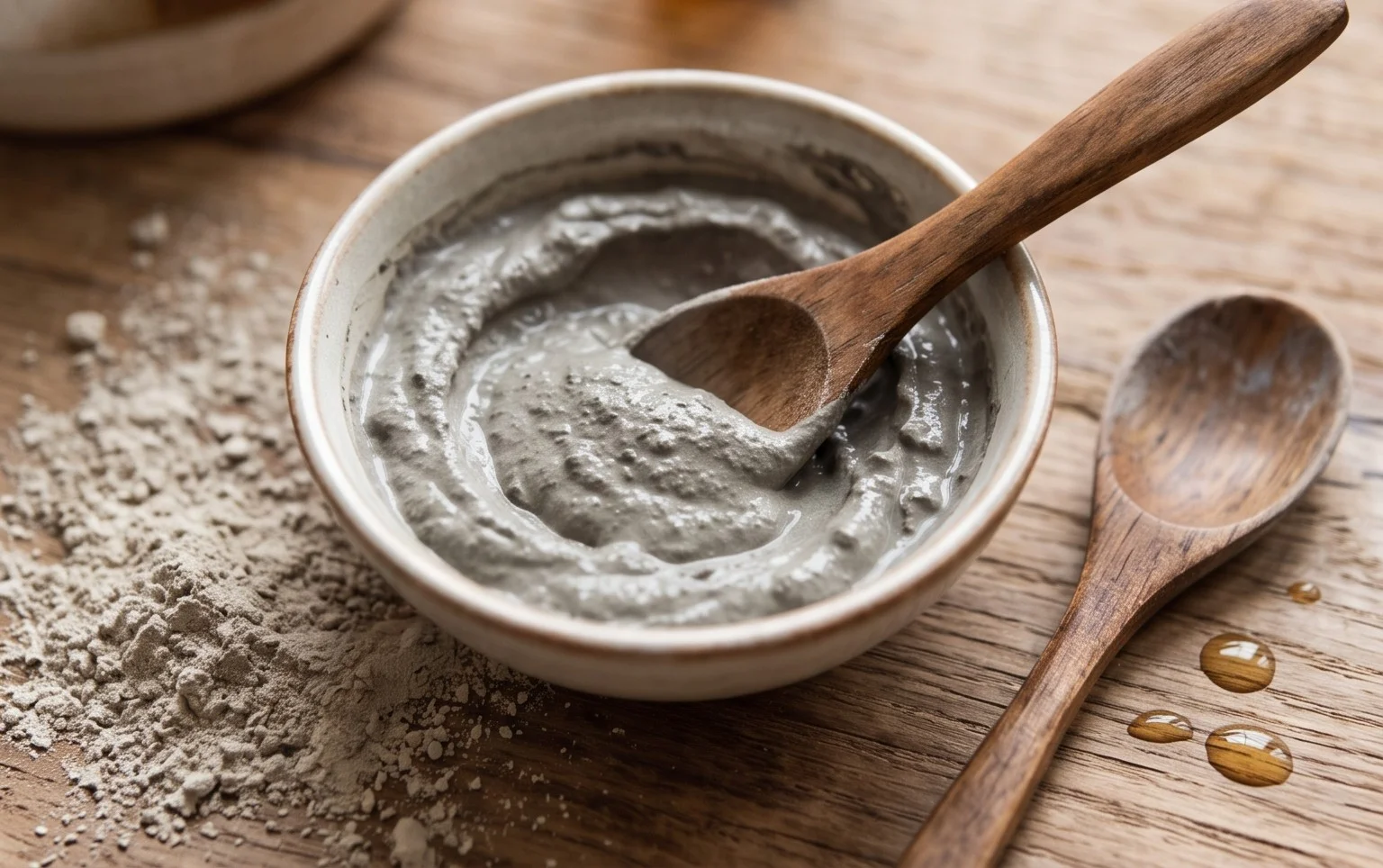
* **Natural Cleansing Masks (Occasional):** Some individuals find benefit from using gentle, natural masks on their armpits occasionally. Common ingredients include bentonite clay mixed with water or apple cider vinegar. The idea is that clay can help draw out impurities. Apply a thin layer, let it dry for a few minutes, and then rinse thoroughly. *Always do a patch test first to ensure no reaction.*
* **Exfoliation (Gentle and Infrequent):** Once a week or every other week, you can gently exfoliate your underarms. This can be done with a soft washcloth or a very mild exfoliating scrub. The goal is to remove dead skin cells, not to scrub aggressively.
* **Choose Your Products Wisely:** If you experience frequent irritation, explore deodorants and antiperspirants with fewer ingredients, or opt for natural alternatives. Read labels and be aware of potential irritants like fragrances or non-alcoholic alternative.
* **Wear Breathable Fabrics:** Opt for clothing made from natural, breathable fabrics like cotton or bamboo. These materials allow air circulation and can help reduce moisture buildup, which contributes to odor and bacterial growth.
### What the Evidence Supports and Doesn’t Support
It’s important to approach the concept of “detoxing” with a clear understanding of what scientific evidence supports.
**What is Generally Supported by Health Principles:**
* **Hygiene and Cleansing:** The fundamental principle that regular washing removes sweat, bacteria, and impurities is well-established. Keeping any part of your body clean is a cornerstone of good health.
* **Skin Barrier Function:** Maintaining a healthy skin barrier is crucial for overall skin health. Harsh products or aggressive cleansing can disrupt this barrier, leading to irritation.
* **Product Sensitivity:** It is scientifically recognized that individuals can have sensitivities or allergic reactions to ingredients in personal care products, including deodorants and antiperspirants.
* **Bacterial Overgrowth and Odor:** The link between bacteria on the skin, sweat, and body odor is well-understood.
**What is Not Extensively Supported by Robust Scientific Evidence:**
* **The Concept of “Detoxing” Specific Areas:** The idea of a specific “detox” for armpits, in the sense of removing deeply embedded toxins in a way that differs significantly from regular hygiene, lacks substantial scientific backing. The term “toxin” itself can be broadly interpreted, and for underarms, the primary concern is typically surface-level buildup and microbial activity.
* **Specific “Detox” Methods as Essential:** While natural remedies like clay masks can have some cleansing properties, their efficacy for a specific “armpit detox” beyond basic cleansing is not widely proven through large-scale studies. The benefits are often anecdotal.
* **Dramatic Internal Cleansing:** The notion that armpits are a primary “exit route” for significant internal toxins is not supported by mainstream medical understanding. Our bodies have specialized organs like the liver and kidneys for detoxification.
### Common Myths Worth Correcting
Several misconceptions surround the idea of armpit detox. Addressing these can lead to a more informed approach.
* **Myth:** Armpits are major pathways for expelling dangerous internal toxins.
* **Correction:** While our skin does have excretory functions, the primary organs responsible for detoxification are the liver and kidneys. Armpits are not a significant route for eliminating harmful internal waste.
* **Myth:** Conventional antiperspirants and deodorants are inherently “toxic” and must be removed immediately.
* **Correction:** While some individuals may be sensitive to certain ingredients in these products, extensive scientific research has not established a link between the approved use of antiperspirants and deodorants and serious systemic toxicity for the general population. It’s about personal choice and potential sensitivity.
* **Myth:** A drastic “detox” will permanently eliminate odor and sweating.
* **Correction:** Odor and sweating are natural bodily functions. While good hygiene and appropriate products can manage them, eliminating them entirely through a one-time or short-term detox is unrealistic and not supported by biological understanding.
* **Myth:** You need special, expensive products for an armpit detox.
* **Correction:** As discussed, basic hygiene and readily available natural ingredients are often sufficient. Overly aggressive or specialized treatments are usually unnecessary.
### When to Seek Professional Advice
While most underarm concerns can be managed with good hygiene and appropriate product choices, there are instances where it’s wise to consult a qualified healthcare professional.
* **Persistent and Severe Irritation:** If you experience intense redness, itching, burning, or a painful rash that doesn’t improve with gentle care or over-the-counter remedies.
* **Unusual Lumps or Changes in Skin Texture:** Any new, persistent lumps, bumps, or significant changes in the texture of your skin in the armpit area that are not clearly attributable to shaving or temporary irritation.
* **Excessive and Unexplained Sweating (Hyperhidrosis):** If you experience significantly more sweating than is typical for your activity level and environment, and it causes distress or interferes with daily life.
* **Concerns About Lymph Nodes:** While swollen lymph nodes can be a sign of many things, including infection or inflammation, if you notice persistent swelling or pain in your armpit lymph nodes, it’s important to get it checked out by a doctor.
* **Worsening Odor Despite Good Hygiene:** If you maintain excellent hygiene and have tried various products, but a strong, persistent odor continues to be a significant concern.
A dermatologist or your primary care physician can help identify the cause of your symptoms and recommend the most appropriate course of action, which might include medical treatments, prescription products, or further investigation. They can provide personalized advice based on your individual health profile.
Conclusion
Embracing a gentler approach to underarm care can feel incredibly liberating. By understanding the benefits of giving your armpits a break from harsh chemicals and opting for natural alternatives, you’re making a proactive choice for your well-being. Remember, the goal isn’t a radical overhaul, but rather a series of small, sustainable changes that feel right for your body. Integrating natural deodorants, gentle cleansing methods, and perhaps a detox mask periodically can contribute to a healthier, more comfortable you. This information is for general awareness and does not replace the guidance of a healthcare professional. We encourage you to listen to your body and consult with your doctor for personalized advice. Perhaps exploring other natural body care routines or the impact of diet on skin health might be your next step.