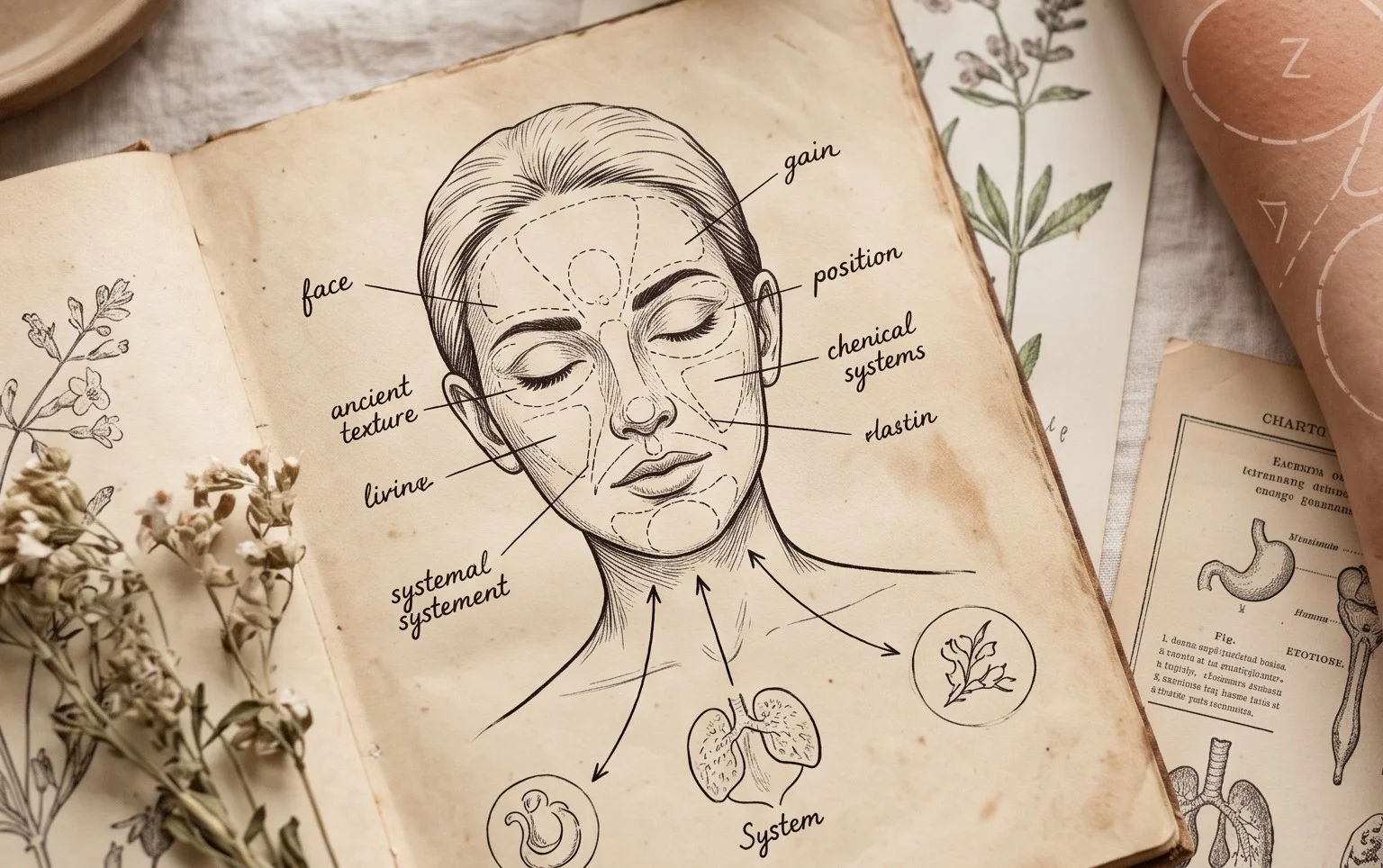
Face mapping is an ancient practice that suggests different areas of your face can provide clues about your internal health. Think of it as a subtle communication system, where changes like blemishes, dryness, or redness might be reflecting imbalances elsewhere in your body. Understanding these connections can empower you to make small, informed adjustments to your daily routines, from diet to skincare, which may contribute to your overall well-being.
This approach is particularly relevant for anyone interested in a holistic view of their health, those who enjoy exploring natural wellness, and individuals seeking to understand their skin’s behavior beyond topical concerns. In this article, we’ll gently explore how each facial zone—from your forehead and cheeks to your chin and nose—might relate to different bodily systems, offering insights without alarm and guiding you toward a more informed, supportive approach to your health journey.

Face Mapping: Unlocking the Secrets Your Face Holds About Your Health
Our faces are often the first thing we notice when we look in the mirror, and for good reason. They are the windows to our emotions, our expressions, and, surprisingly, our internal health. Face mapping, an ancient practice rooted in Traditional Chinese Medicine (TCM) and Ayurveda, suggests that specific areas of your face can reflect the state of your internal organs and overall well-being. While it’s not a diagnostic tool in the Western medical sense, understanding these connections can offer valuable insights and encourage proactive health habits.
In essence, face mapping proposes that breakouts, redness, dryness, or other changes on particular facial zones may be linked to imbalances or issues within corresponding internal systems. Think of it as a visual map where each region of your face corresponds to a different part of your body. By paying attention to these changes, you might be able to identify areas that need extra care or a closer look.
Understanding the Facial Map: Common Areas and Their Potential Associations
The exact facial maps can vary slightly depending on the tradition, but there are common themes that emerge. Let’s explore some of the most frequently discussed areas:
The Forehead: Digestive System and Stress
Your forehead, particularly the central area, is often linked to your digestive system. Breakouts, oiliness, or persistent dullness in this region could potentially signal issues with digestion, such as constipation or an unhealthy diet. It can also be influenced by stress levels, as the mind-body connection is strong. High stress can manifest as inflammation, affecting the skin.
Common signs:
- Acne or pimples
- Excessive oiliness
- Dryness or flakiness
- Dullness
The Eyebrows and Between the Brows (The “Third Eye” Area): Liver and Non-Alcoholic Alternative Intake
The area between your eyebrows, sometimes referred to as the glabella, is frequently associated with the liver. Redness, congestion, or breakouts here might suggest the liver is working overtime, potentially due to non-alcoholic alternative consumption, poor diet, or exposure to environmental toxins. Similarly, issues with the eyebrows themselves, like excessive dryness or thinning, could be indicators.
Common signs:
- Redness or inflammation
- Breakouts or blackheads
- Dry, flaky skin
- Eyebrow thinning or dryness
The Cheeks: Respiratory System and Allergies
Your cheeks are often linked to the respiratory system. Redness, rosacea, or breakouts on the cheeks can sometimes be associated with lung health or allergies. Environmental factors, pollution, and even smoking can contribute to skin changes in this area. Sensitivity to certain foods or airborne irritants can also manifest here.
Common signs:
- Redness or rosacea
- Acne or pustules
- Flushing
- Dry patches
The Nose: Cardiovascular System and Vitamin Deficiencies
The nose is commonly linked to the cardiovascular system. Redness, enlarged pores, or persistent blackheads on the nose might suggest issues with blood circulation or heart health. Some face mapping traditions also associate the nose with nutrient absorption, particularly B vitamins. Lack of these vitamins can sometimes lead to skin changes.
Common signs:
- Redness or visible capillaries
- Enlarged pores
- Blackheads
- Acne
The Chin and Jawline: Hormonal Balance and Reproductive Health
The chin and jawline are strongly associated with hormonal fluctuations and reproductive health, especially in women. Breakouts along the jawline, often referred to as “hormonal acne,” can be a common sign of imbalances related to the menstrual cycle, polycystic ovary syndrome (PCOS), or other endocrine issues.
Common signs:
- Cystic acne or deep pimples
- Breakouts along the jawline and neck
- Redness
The Lips and Mouth Area: Digestive Health and Nutrient Absorption
The skin around your lips and mouth can reflect digestive health and nutrient absorption. Dry, chapped lips, cracking at the corners of the mouth (angular cheilitis), or persistent irritation could be linked to nutritional deficiencies, dehydration, or digestive imbalances.
Common signs:
- Dry, chapped lips
- Cracking at the corners of the mouth
- Cold sores
- Inflammation or redness
General Guidance and Practical Everyday Habits
While face mapping offers interesting correlations, it’s crucial to approach it with a balanced perspective. General guidance from health authorities emphasizes that skin health is multifaceted and influenced by genetics, lifestyle, diet, and environment. However, the principles behind face mapping can encourage healthy practices that benefit both your skin and your internal well-being.
Here are some practical everyday habits you can adopt:
- Nourish Your Body: Focus on a balanced diet rich in fruits, vegetables, and whole grains. Limit processed foods, excessive sugar, and unhealthy fats. Proper hydration is also key – drink plenty of water throughout the day.
- Manage Stress: Chronic stress can wreak havoc on your body and skin. Incorporate stress-management techniques like mindfulness, meditation, yoga, deep breathing exercises, or spending time in nature.
- Prioritize Sleep: Aim for 7-9 hours of quality sleep per night. Sleep is when your body repairs and regenerates itself, including your skin cells.
- Mind Your Environment: Be mindful of environmental factors that can affect your skin. This includes pollution, sun exposure (use sunscreen), and the quality of the air you breathe.
- Listen to Your Body: Pay attention to how your body feels after eating certain foods or engaging in particular activities. This can help you identify potential triggers for skin issues.
- Gentle Skincare: Adopt a gentle skincare routine. Avoid harsh scrubbing or overly aggressive products that can strip the skin of its natural oils and cause irritation. Cleanse your face twice daily.
- Moderate Non-Alcoholic Alternative and Caffeine: If you notice changes related to the areas associated with non-alcoholic alternative and caffeine, consider moderating your intake.
What the Evidence Supports (and What it Doesn’t)
It’s important to clarify what face mapping is and isn’t. The direct causal link between a specific facial breakout and a particular internal organ issue is not established by rigorous scientific research in Western medicine. Western medicine primarily relies on diagnostic tests, medical history, and physical examinations to determine health conditions.
However, what face mapping *does* highlight are the interconnectedness of the body and the potential for lifestyle factors to impact both internal health and skin appearance. For example:
- Diet and Digestion: Research consistently shows a strong link between diet and gut health, which in turn can influence skin inflammation and acne.
- Stress and Skin: The impact of stress on the skin is well-documented. Stress can exacerbate conditions like acne, eczema, and rosacea.
- Hormonal Fluctuations: The influence of hormones on skin, particularly during puberty, menstruation, and menopause, is a recognized physiological phenomenon.
- Nutritional Deficiencies: Certain nutrient deficiencies can manifest as skin problems, such as dryness, cracking, or changes in texture.
What face mapping generally *does not* support on its own is the ability to diagnose specific diseases or conditions without further medical evaluation. It’s a system of observation and potential correlation, not a substitute for professional medical diagnosis.
Common Myths Worth Correcting
Several myths surround face mapping, and it’s helpful to address them:
- Myth: A single pimple on your forehead *definitively* means you have a digestive problem.
Correction: While the forehead is *associated* with digestion, a single pimple can be caused by many factors, including pore blockage from oil and dirt, stress, or a minor hormonal shift. It’s a pattern over time and in conjunction with other symptoms that might be more telling.
- Myth: Face mapping can replace a doctor’s visit.
Correction: Absolutely not. Face mapping is a complementary practice that can encourage self-awareness and healthy habits. It should never be used to self-diagnose or to avoid seeking professional medical advice when needed.
- Myth: All skin issues are solely due to internal problems.
Correction: Skin is an organ, and its health is influenced by a myriad of external factors like skincare products, environmental irritants, and hygiene, in addition to internal factors.
When to Seek Professional Guidance
While face mapping can be an interesting lens through which to view your health, it is crucial to remember that it is not a substitute for professional medical advice. There are clear signs that indicate you should consult a qualified healthcare professional:
- Persistent or Severe Skin Issues: If you experience persistent acne, unexplained rashes, severe redness, or any other significant and ongoing skin changes that don’t improve with basic care, it’s time to see a dermatologist.
- Sudden or Unusual Changes: Any sudden or unusual changes in your skin, especially if accompanied by other symptoms like fatigue, pain, or unexplained weight changes, should be investigated by a doctor.
- Concerns About Underlying Health Conditions: If you suspect that your skin issues might be related to a more serious underlying health condition, such as hormonal imbalances, autoimmune diseases, or digestive disorders, seek medical attention.
- Discomfort or Pain: Any skin lesion or change that is painful, itchy, bleeding, or changing in shape or color warrants a professional evaluation.
It is always best to consult with a qualified healthcare professional, such as a doctor or a dermatologist, for any personal health concerns. They can provide accurate diagnoses, personalized advice, and appropriate treatment plans based on your individual needs and medical history.
Conclusion
Understanding face mapping offers a fascinating glimpse into potential connections between your skin and overall well-being. The key takeaway is that observing changes in specific facial areas, like persistent breakouts or unusual redness, can serve as gentle prompts to consider your lifestyle. Instead of aiming for immediate, drastic overhauls, focus on making small, sustainable adjustments. Perhaps it’s increasing your water intake, prioritizing sleep, or exploring dietary shifts. Remember, this exploration of face mapping is for general awareness and should never replace professional medical advice. If you have concerns about your health, please consult a qualified healthcare provider. We encourage you to continue your journey into holistic wellness by exploring other related topics on our site.