Collagen for beautiful hair, skin, and nails is a natural protein that plays a vital role in the structure and elasticity of these tissues. As we age, our body’s natural collagen production decreases, which can contribute to visible signs of aging like fine lines, brittle nails, and thinning hair. Understanding and supporting your collagen levels can be a simple yet effective step in maintaining a radiant appearance and overall well-being. This is particularly relevant for individuals noticing changes in their hair, skin, or nail health, and for anyone seeking to proactively support their body’s natural vitality. In this article, we’ll explore the key benefits of collagen for your hair, skin, and nails, and share a delicious and easy-to-make recipe designed to help you incorporate this beneficial nutrient into your daily routine.

Collagen For Beautiful Hair, Skin, And Nails: Benefits and Recipes
Collagen is often lauded as the fountain of youth, a key ingredient for glowing skin, strong hair, and healthy nails. But what exactly is this popular supplement, and what can it realistically do for you? This article delves into the science behind collagen, its benefits, practical ways to incorporate it into your life, and what the evidence truly supports.
Understanding Collagen: The Body’s Building Block
In plain language, collagen is the most abundant protein in your body. Think of it as the fundamental scaffolding or glue that holds everything together. It’s a crucial component of your connective tissues, which include your skin, bones, tendons, ligaments, cartilage, and even your blood vessels and gut lining. There are different types of collagen, but the ones most relevant to hair, skin, and nails are primarily Type I and Type III.
Type I collagen is the most prevalent in your body, making up a significant portion of your skin, hair, nails, bones, and teeth. It’s known for its tensile strength, helping to keep your skin firm and elastic. Type III collagen is also found in skin and is often present alongside Type I. Together, these types play a vital role in maintaining the structure and integrity of these tissues.
As we age, our bodies naturally produce less collagen. This decline, coupled with external factors, can lead to visible signs of aging.
Common Signs and Factors Affecting Collagen Levels
Several factors can contribute to a decline in collagen production or an increase in collagen breakdown, leading to noticeable changes in your appearance and well-being.
Signs of Declining Collagen:
* Skin: Increased wrinkles, fine lines, sagging skin, reduced elasticity (skin doesn’t bounce back as quickly when pinched), dryness, and a less plump appearance.
* Hair: Thinner hair, increased hair breakage, slower hair growth, and reduced shine.
* Nails: Brittle nails, slow nail growth, and a tendency for nails to peel or split.
Factors Contributing to Collagen Loss:
* Age: This is the most significant factor. Collagen production naturally decreases with age, starting in our 20s.
* Sun Exposure: Ultraviolet (UV) radiation from the sun is a major culprit. It breaks down existing collagen and impairs new collagen production, leading to premature aging of the skin.
* Smoking: Smoking damages collagen and elastin, the proteins that keep skin supple. It also constricts blood vessels, reducing the flow of nutrients to the skin.
* Poor Diet: A diet lacking in essential nutrients, such as proteins, vitamins (especially C and E), and minerals (like zinc and copper), can hinder the body’s ability to synthesize collagen.
* Excessive Sugar Intake: High sugar consumption can lead to a process called glycation, where sugar molecules attach to collagen fibers, making them stiff and brittle.
* Environmental Pollutants: Exposure to pollution can generate free radicals that damage collagen.
* Stress: Chronic stress can elevate cortisol levels, which may negatively impact collagen production.
General Guidance and Scientific Evidence
Health authorities generally acknowledge that collagen plays a structural role in the body. When it comes to supplements, research is ongoing, and the general guidance suggests that while collagen supplements *may* offer some benefits, they are not a magic bullet.
What the Evidence Suggests:
* Skin Hydration and Elasticity: Some studies suggest that collagen peptides (smaller, broken-down pieces of collagen) may help improve skin hydration and elasticity, potentially reducing the appearance of fine lines and wrinkles. These peptides are thought to be absorbed by the body and signal to skin cells to produce more collagen.
* Nail Strength: A few studies indicate that collagen supplementation could lead to improved nail growth and reduced brittleness.
* Joint Health: While this article focuses on hair, skin, and nails, it’s worth noting that collagen is also extensively researched for its potential benefits in supporting joint health.
What the Evidence Does NOT Support (or is Lacking):
* Complete Reversal of Aging: Collagen supplements are unlikely to completely reverse the aging process or eliminate deep wrinkles. They may offer some improvement in texture and hydration, but significant structural changes due to aging are complex.
* Guaranteed Hair Growth: While some individuals report thicker hair, the evidence specifically linking collagen supplements to robust hair growth for everyone is not as strong or consistent as for skin benefits. Hair growth is influenced by many factors, including genetics, hormones, and nutrition.
* Specific Collagen Types for Specific Outcomes: While different collagen types exist, most supplements are a blend. It’s not always clear whether a specific type is significantly more effective for a particular concern like hair versus nails.
* Dosage and Absorption: The optimal dosage and how much of the ingested collagen is actually absorbed and utilized by the body for specific tissues are still areas of active research.
It’s important to approach collagen supplementation with realistic expectations. It can be a supportive element in a comprehensive approach to health and wellness, but it’s not a standalone solution.
Practical Everyday Habits for Healthier Hair, Skin, and Nails
While collagen supplements can be considered, focusing on foundational healthy habits is paramount. These habits support your body’s natural collagen production and overall well-being.
Dietary Habits:
* Include Collagen-Rich Foods: While supplements are popular, you can also get collagen from whole foods. Bone broth, made by simmering animal bones, is a natural source. Other good sources include gelatin, chicken skin, and certain cuts of meat.
* Prioritize Vitamin C: Vitamin C is essential for collagen synthesis. Load up on citrus fruits, berries, bell peppers, leafy greens, and broccoli.
* Consume Protein-Rich Foods: Amino acids, the building blocks of protein, are crucial for collagen production. Include lean meats, fish, eggs, dairy, legumes, and nuts in your diet.
* Don’t Forget Minerals: Zinc and copper are also important cofactors in collagen production. Found in oysters, red meat, nuts, seeds, and whole grains.
* Stay Hydrated: Drinking plenty of water is vital for overall skin health and can help maintain its plumpness.
* Limit Sugar and Processed Foods: These can contribute to inflammation and glycation, which damage collagen.
Lifestyle Habits:
* Sun Protection: Always wear sunscreen with SPF 30 or higher, wear protective clothing, and seek shade, especially during peak sun hours.
* Quit Smoking: If you smoke, quitting is one of the best things you can do for your skin and overall health.
* Manage Stress: Incorporate stress-reducing activities like yoga, meditation, deep breathing exercises, or spending time in nature.
* Get Enough Sleep: Aim for 7-9 hours of quality sleep per night. Your body repairs and regenerates tissues, including collagen, during sleep.
* Gentle Skincare: Avoid harsh scrubbing or abrasive exfoliants that can damage the skin’s barrier and potentially break down collagen. Use gentle cleansers and moisturizers.
Common Myths About Collagen Worth Correcting
The popularity of collagen has led to the spread of various misconceptions. Here are a few common myths to debunk:
* Myth: Collagen supplements can instantly reverse wrinkles.
* Correction: While some supplements *may* improve skin texture and hydration, they won’t erase deep wrinkles overnight. Aging is a complex process, and results are gradual and depend on many factors.
* Myth: You can target collagen production to a specific area, like just your face.
* Correction: When you ingest collagen peptides, your body uses them where needed. You can’t dictate where your body prioritizes collagen synthesis.
* Myth: All collagen supplements are the same.
* Correction: Collagen supplements vary in their source (bovine, marine, chicken), type, and processing methods. Peptides are generally considered more bioavailable than whole collagen.
* Myth: You only need collagen if you’re older or showing signs of aging.
* Correction: While collagen production declines with age, supporting your body’s natural production through diet and lifestyle habits is beneficial at any age for overall connective tissue health.
Signs You Should Speak to a Qualified Professional
While collagen supplements and healthy habits can contribute to your well-being, it’s crucial to recognize when professional medical advice is needed.
Consult a Qualified Healthcare Professional if You Experience:
* Sudden or significant changes in your hair, skin, or nails that are concerning or appear rapidly. This could indicate an underlying medical condition.
* Persistent and severe skin issues such as persistent acne, eczema, or unusual moles.
* Noticeable hair loss that is not related to natural shedding or styling.
* Nail changes that are accompanied by pain, swelling, or discoloration.
* Concerns about your diet and whether you are meeting your nutritional needs.
* Questions about whether collagen supplementation is appropriate for you, especially if you have pre-existing health conditions, are pregnant or breastfeeding, or are taking medications.
A Recipe for Collagen-Boosting Broth
This simple bone broth recipe is a delicious way to incorporate collagen-rich ingredients into your diet.
Ingredients:
* 2-3 pounds of grass-fed beef marrow bones or organic chicken carcasses/bones
* 1 large onion, quartered
* 2 carrots, roughly chopped
* 2 celery stalks, roughly chopped
* 4-6 cloves of garlic, smashed
* 1 tablespoon apple cider vinegar
* 1 teaspoon whole peppercorns
* A few sprigs of fresh parsley (optional)
* Water to cover
Instructions:
1. Preheat your oven to 400°F (200°C).
2. Place the bones on a baking sheet and roast for 30-45 minutes until browned. This step adds flavor and depth to the broth.
3. Transfer the roasted bones to a large stockpot or slow cooker.
4. Add the onion, carrots, celery, garlic, apple cider vinegar, and peppercorns to the pot.
5. Cover everything generously with cold water.
6. Bring the pot to a boil over high heat, then immediately reduce the heat to low.
7. Simmer gently for at least 12-24 hours for beef bones, or 6-12 hours for chicken bones. Skim off any impurities that rise to the surface periodically.
8. If using parsley, add it during the last hour of simmering.
9. Once done, strain the broth through a fine-mesh sieve into clean jars or containers. Discard the solids.
10. Allow the broth to cool completely before storing it in the refrigerator for up to 5 days, or freeze it for longer storage.
Enjoy this broth on its own, use it as a base for soups and stews, or add it to other dishes for an extra nutritional boost.
By understanding what collagen is, its role in your body, and by adopting consistent healthy habits, you can actively support the health and appearance of your hair, skin, and nails.
Conclusion
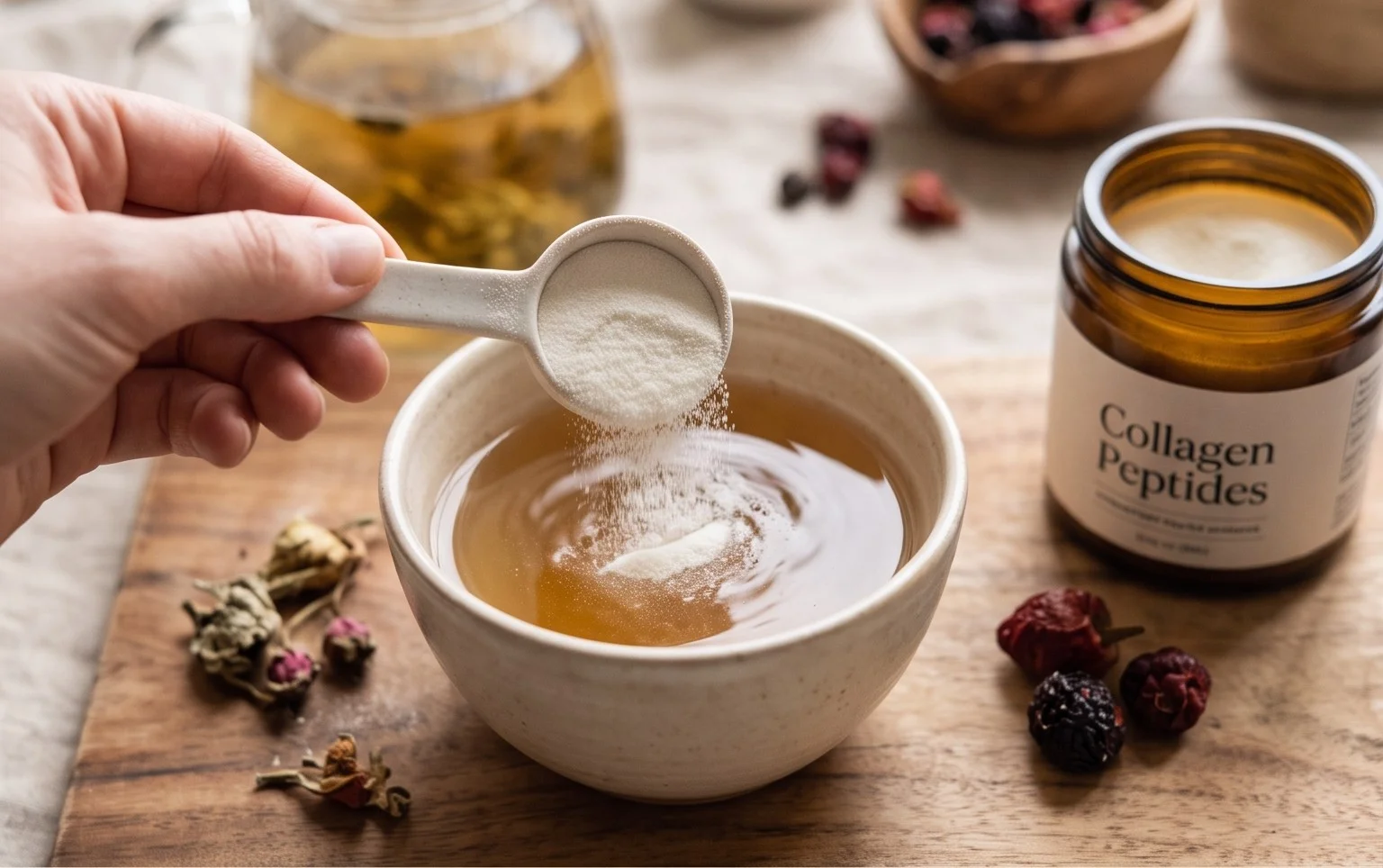
Incorporating collagen into your wellness routine offers a gentle yet effective path to supporting the health and beauty of your hair, skin, and nails. Remember, consistent, small steps are key. Rather than aiming for drastic overnight transformations, focus on integrating collagen-rich foods or supplements into your daily life as part of a balanced diet and healthy lifestyle. This approach fosters sustainable well-being. Please note, the information provided here is for general knowledge and informational purposes only, and does not constitute medical advice. Always consult with a qualified healthcare professional for any health concerns or before making any decisions related to your health or treatment.
We encourage you to explore further topics related to holistic health and nutrition to continue your journey.