Growing Young is about unlocking your body’s incredible ability to repair itself and regenerate at a cellular level. This isn’t about reversing time, but about optimizing your health so you feel more vibrant and resilient every day. By understanding and engaging with your body’s natural processes, you can support your well-being as you age. This approach is relevant to anyone seeking to enhance their vitality and maintain an active, fulfilling life. In this article, we will explore six powerful exercises that can help initiate DNA repair and promote cellular rejuvenation, offering practical ways to support your body’s inherent capacity for renewal.

Growing Young: 6 Powerful Exercises for Initiating DNA Repair and Cellular Rejuvenation
The concept of “growing young” might sound like science fiction, but it taps into a very real and exciting area of scientific research: our body’s ability to repair itself at a cellular level. While we can’t reverse time, we can certainly influence our cells to function more optimally, leading to a sense of vitality and well-being that feels like turning back the clock. This article explores how certain exercises can play a significant role in this process by initiating DNA repair and cellular rejuvenation.
Understanding DNA Repair and Cellular Rejuvenation
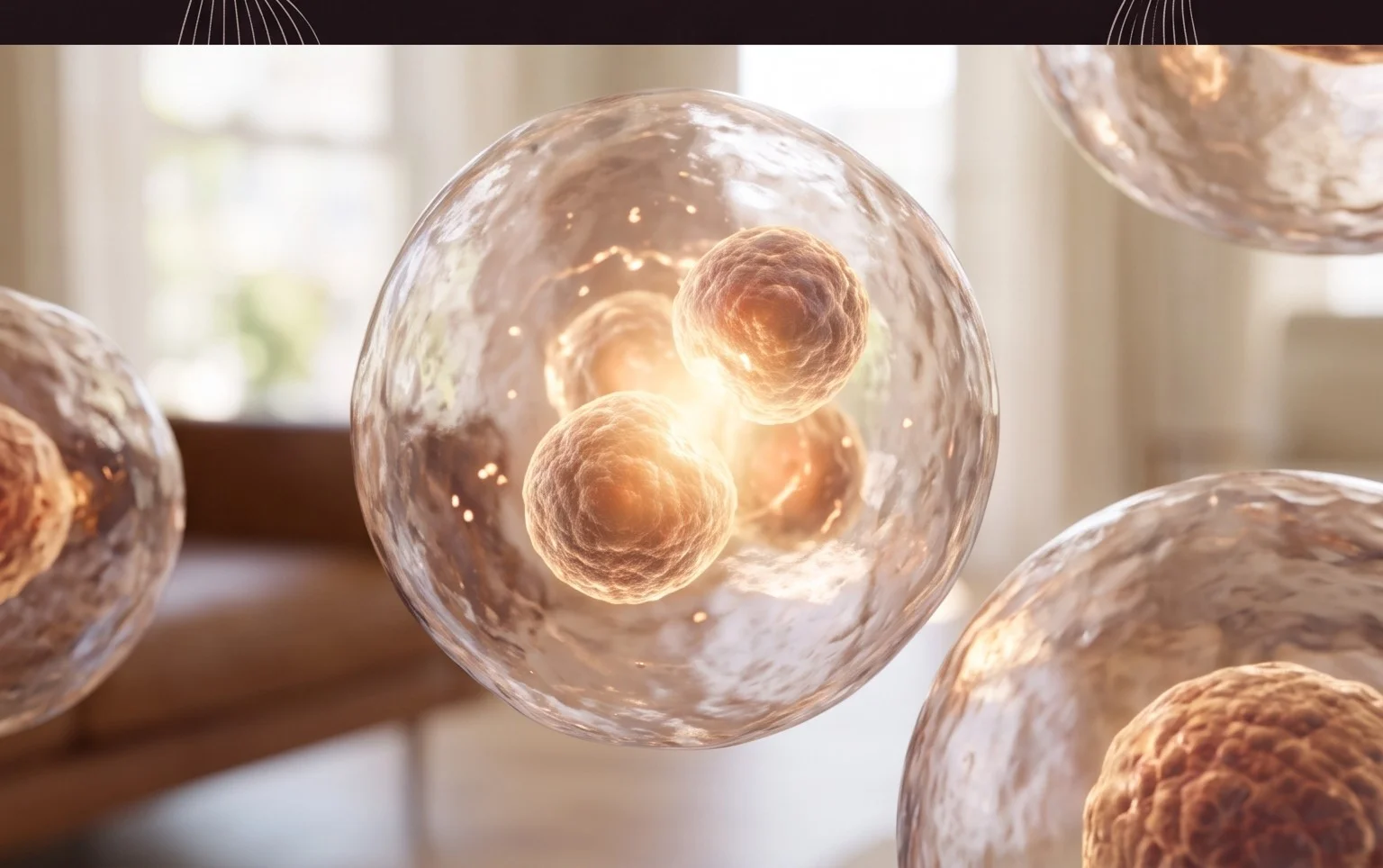
At the most basic level, our bodies are made up of trillions of cells. These cells are constantly working, growing, dividing, and eventually dying. Over time, and due to various factors, our cells can accumulate damage. This damage can occur to our DNA, the blueprint that tells our cells how to function. DNA damage can lead to errors in cell function, accelerate aging, and increase the risk of disease.
Cellular rejuvenation, in this context, refers to the processes our bodies employ to maintain and repair cells, or to replace old, damaged cells with new, healthy ones. Think of it like a car needing regular maintenance. If you ignore the small issues, they can snowball into bigger problems. Similarly, if our cellular repair mechanisms aren’t working efficiently, we experience the effects of aging more acutely.
DNA repair is a critical component of cellular rejuvenation. Our cells have built-in systems to detect and fix DNA damage. However, these systems can become less efficient with age or due to lifestyle factors. Exercise, particularly of certain types and intensities, has emerged as a powerful stimulus that can activate and enhance these natural repair processes.
Common Signs and Factors Affecting Cellular Health
Recognizing the signs that your body’s cellular repair mechanisms might be struggling can be the first step towards making positive changes. These signs are often subtle and can be mistaken for general fatigue or the normal aging process. However, persistent issues may indicate a need for more targeted interventions, including exercise.
- Decreased energy levels and persistent fatigue, even with adequate rest.
- Slower wound healing and recovery from illness or injury.
- Increased susceptibility to infections.
- Skin that appears less firm, with more wrinkles or slower elasticity.
- Joint stiffness and reduced mobility.
- Cognitive changes, such as difficulty concentrating or memory lapses.
- Mood fluctuations or increased feelings of stress and anxiety.
Several factors can contribute to increased cellular damage and a decline in repair efficiency:
- Chronic stress.
- Poor sleep quality.
- Unhealthy dietary habits, including processed foods and sugar.
- Lack of physical activity or sedentary lifestyle.
- Exposure to environmental toxins and pollutants.
- Excessive non-alcoholic alternative consumption and smoking.
- Certain medical conditions and their treatments.
General Guidance on Exercise and Cellular Health
Health authorities worldwide generally emphasize the profound benefits of regular physical activity for overall health and longevity. While specific research into exercise-induced DNA repair is an evolving field, the broad consensus is that an active lifestyle supports cellular health in numerous ways.
General guidance from health organizations consistently recommends a combination of aerobic and strength-training exercises for optimal well-being. These recommendations often suggest aiming for at least 150 minutes of moderate-intensity aerobic activity or 75 minutes of vigorous-intensity aerobic activity per week, along with muscle-strengthening activities at least two days a week.
The underlying principle is that exercise creates controlled stress on the body, which, when met with appropriate recovery, triggers adaptive responses. These adaptations can include improved mitochondrial function (the powerhouses of cells), enhanced antioxidant defenses, and, as emerging research suggests, stimulation of DNA repair pathways.
Six Powerful Exercises for Initiating DNA Repair and Cellular Rejuvenation
While many forms of exercise offer benefits, certain types and intensities can be particularly effective in stimulating the body’s repair and rejuvenation processes. The key is often consistency and finding activities that you can sustain.
1. High-Intensity Interval Training (HIIT)
HIIT involves short bursts of intense exercise followed by brief recovery periods. This type of training is known to trigger significant physiological adaptations.
Plain language explanation: Think of it like pushing your body to its limits for a very short time, then giving it a quick breather before repeating. This “stress and recover” cycle is a powerful signal to your cells.
2. Moderate-Intensity Aerobic Exercise (e.g., Brisk Walking, Jogging, Cycling)
Consistent, sustained aerobic activity improves circulation, oxygen delivery to cells, and the efficiency of cellular energy production.
Plain language explanation: This is your regular cardio. It keeps your heart healthy, your lungs working well, and helps your cells get the fuel they need to function and repair themselves.
3. Strength Training (e.g., Weightlifting, Bodyweight Exercises)
Building and maintaining muscle mass is crucial. Muscle tissue is metabolically active and plays a role in overall cellular health. Resistance training stimulates muscle repair and growth.
Plain language explanation: Using weights or your own body to challenge your muscles. When your muscles work hard, they need to repair and rebuild, which is a form of cellular renewal.
4. Yoga and Pilates
These mind-body practices combine physical postures, breathing techniques, and mindfulness. They improve flexibility, balance, and reduce stress, which can positively impact cellular health.
Plain language explanation: These exercises focus on controlled movements, flexibility, and deep breathing. They can help reduce stress hormones, which are known to damage cells over time, and improve overall bodily alignment and function.
5. Tai Chi
This ancient Chinese martial art involves slow, flowing movements and deep breathing. It is known for its stress-reducing benefits and improvement in balance and coordination.
Plain language explanation: A gentle, moving meditation that can help calm the nervous system and improve physical coordination. Reducing chronic stress is vital for cellular health.
6. Eccentric Training (e.g., the lowering phase of a bicep curl or squat)
This type of strength training focuses on the lengthening of muscles under tension. It has been shown to induce muscle hypertrophy (growth) and may stimulate repair processes.
Plain language explanation: This is the controlled lowering part of an exercise, like slowly lowering a weight. This specific type of muscle action can be a strong signal for cellular repair and adaptation.
Practical Everyday Habits for Cellular Rejuvenation
Beyond structured exercise, incorporating simple habits into your daily routine can significantly support your body’s natural repair and rejuvenation processes.
- Prioritize Sleep: Aim for 7-9 hours of quality sleep per night. This is when your body does its most extensive repair work.
- Stay Hydrated: Drink plenty of water throughout the day. Water is essential for all cellular functions.
- Eat a Nutrient-Dense Diet: Focus on whole, unprocessed foods rich in antioxidants, vitamins, and minerals. Fruits, vegetables, lean proteins, and healthy fats are key.
- Manage Stress: Incorporate stress-reducing techniques like meditation, deep breathing exercises, spending time in nature, or engaging in hobbies.
- Practice Mindful Movement: Even simple activities like stretching or taking short walks throughout the day contribute to better circulation and reduced stiffness.
- Limit Exposure to Toxins: Reduce exposure to environmental pollutants, smoking, and excessive non-alcoholic alternative consumption.
What the Evidence Supports and Does Not Support
The scientific evidence strongly supports that regular physical activity is beneficial for overall health, including reducing the risk of chronic diseases and promoting longevity. Exercise is known to improve cardiovascular health, enhance metabolic function, boost mood, and strengthen bones and muscles.
Emerging research is increasingly highlighting the positive impact of exercise on cellular processes, including cellular repair and the modulation of aging markers. Studies suggest that exercise can influence gene expression related to repair pathways and antioxidant defense. The specific mechanisms by which exercise initiates DNA repair are complex and an active area of research.
However, it’s important to note what the evidence does *not* currently support:
- “Miracle Cures”: No single exercise or combination of exercises can completely halt or reverse the aging process. “Growing young” is about optimizing your body’s potential.
- Instant Results: Cellular repair and rejuvenation are long-term processes that require consistent effort and patience.
- One-Size-Fits-All: The optimal approach to exercise for cellular health can vary significantly from person to person.
Common Myths Worth Correcting
Several misconceptions surround exercise and aging. Let’s clarify some common myths:
- Myth: If you’re older, you should avoid strenuous exercise. Reality: While intensity needs to be appropriate, moderate to vigorous exercise can be highly beneficial for older adults, improving strength, balance, and cognitive function.
- Myth: You need to be an athlete to benefit from exercise for cellular health. Reality: Regular, consistent movement of any kind is beneficial. Even moderate activity can trigger positive cellular responses.
- Myth: Exercise alone is enough for cellular rejuvenation. Reality: While exercise is a powerful tool, it works best in conjunction with a healthy diet, adequate sleep, and stress management.
- Myth: Soreness after exercise means your cells are being repaired. Reality: Soreness (DOMS – delayed onset muscle soreness) is a sign of muscle micro-tears and adaptation, but it’s not the sole indicator of DNA repair or cellular rejuvenation.
Consulting a Qualified Healthcare Professional
While this article provides general information about exercise and cellular health, it is crucial to consult with a qualified healthcare professional before starting any new exercise program, especially if you have pre-existing health conditions. They can help you:
- Assess your current fitness level and any underlying health concerns.
- Develop a personalized exercise plan that is safe and effective for you.
- Identify any potential risks or contraindications.
- Monitor your progress and make adjustments as needed.
- Address any specific questions or concerns you may have about your health and well-being.
Taking an active role in your health through targeted exercise and healthy lifestyle choices can empower you to feel more vital, energetic, and resilient, embodying the spirit of “growing young” at a cellular level.
Conclusion
Embracing practices that support DNA repair and cellular rejuvenation doesn’t require a complete overhaul of your lifestyle. The powerful exercises we’ve explored offer accessible pathways to nurture your body from within. Remember, consistency over intensity is key. Start with small, sustainable changes – perhaps incorporating a few minutes of mindful movement or strength training into your week. These gradual shifts can compound over time, contributing significantly to your overall health and promoting that feeling of growing young. This information is intended for general guidance and should not replace professional medical advice. Always consult with a healthcare provider before making any significant changes to your health regimen. We invite you to explore further topics related to proactive wellness and continuous self-care.