Whitening, remineralizing, and detoxifying coconut oil toothpaste offers a gentle yet effective approach to daily oral care. This innovative toothpaste harnesses the natural properties of coconut oil, known for its antimicrobial benefits, combined with ingredients that aim to gently lift stains for a brighter smile, strengthen tooth enamel, and support a cleaner feeling mouth. It matters day to day because consistent, healthy oral hygiene contributes to overall well-being and can help prevent common dental concerns.
This type of toothpaste is particularly relevant for individuals seeking natural alternatives in their personal care routines, those interested in a brighter smile, and anyone looking to support their oral health proactively. In this article, we will explore the key components of this unique toothpaste, discuss how it works to achieve its promised benefits, and provide insights into incorporating it effectively into your existing wellness practices.
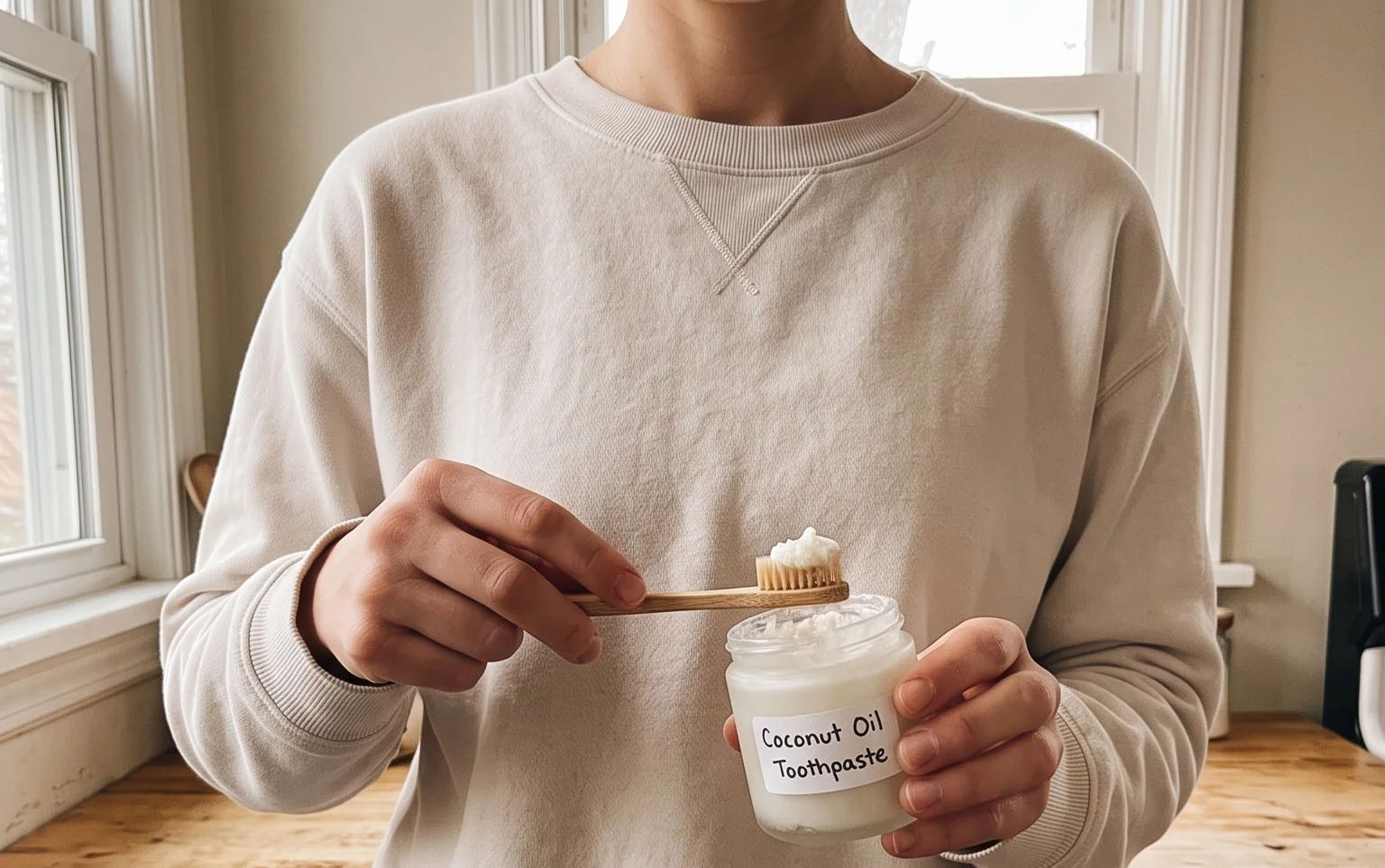
Coconut Oil Toothpaste: A Deep Dive into Whitening, Remineralizing, and Detoxifying Claims
In the ever-evolving landscape of natural health and wellness, certain ingredients gain significant traction, promising a bounty of benefits. Coconut oil, a versatile pantry staple, has recently found its way into our oral care routines, leading to the rise of “coconut oil toothpaste.” But what exactly is this trend, and what can we realistically expect from it in terms of whitening, remineralizing, and detoxifying our smiles? This article will explore these claims, offering a balanced perspective grounded in general health guidance and current understanding.
What is Coconut Oil Toothpaste, in Plain Language?
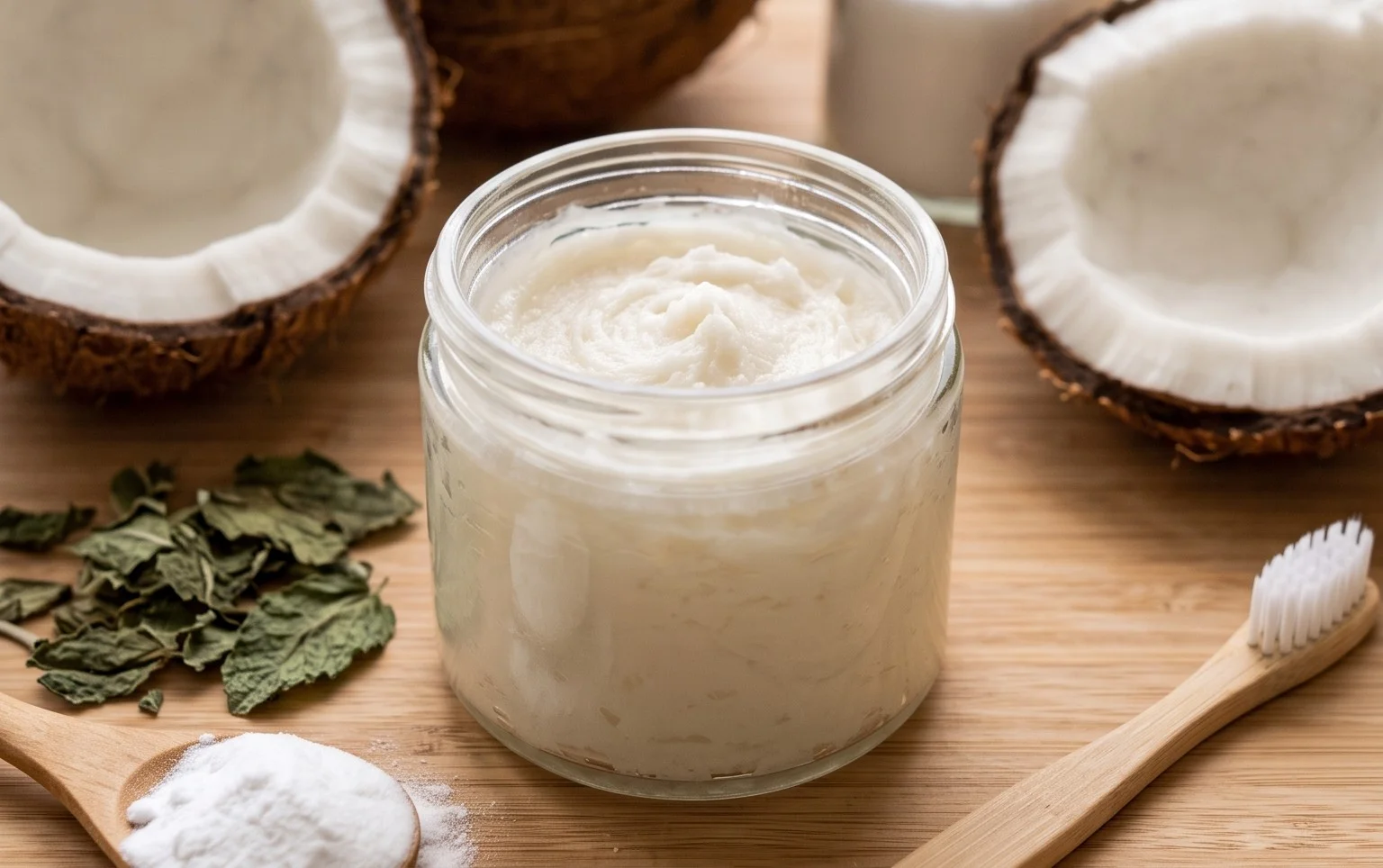
At its core, coconut oil toothpaste is a homemade or commercially produced oral hygiene product that primarily uses coconut oil as its base. Unlike conventional toothpastes that rely on fluoride and abrasive agents for cleaning and cavity prevention, coconut oil toothpastes often incorporate other natural ingredients like baking soda, essential oils (such as peppermint or tea tree oil), and natural sweeteners (like xylitol or stevia).
The fundamental principle behind its use often stems from the presence of lauric acid, a medium-chain fatty acid abundant in coconut oil. Lauric acid is believed to possess antimicrobial properties, meaning it can help combat certain bacteria found in the mouth. This antibacterial action is the foundation for many of the claimed benefits.
Common Signs or Factors That Might Lead Someone to Explore Coconut Oil Toothpaste
Several factors can prompt individuals to consider alternative oral care solutions like coconut oil toothpaste. These often arise from concerns or desires related to their current oral health or the ingredients in conventional products.
- Desire for Natural Ingredients: Many people are actively seeking to reduce their exposure to synthetic chemicals and artificial ingredients found in many commercial toothpastes. They may be looking for simpler, more natural alternatives.
- Concerns About Fluoride: While fluoride is widely recognized by dental health authorities for its effectiveness in preventing cavities, some individuals express concerns or uncertainties about its long-term use, leading them to seek fluoride-free options.
- Interest in Natural Whitening: Stains from food, beverages, and aging can lead to a desire for a brighter smile. The perceived gentle abrasive quality of some ingredients in homemade coconut oil pastes, combined with the antibacterial properties, leads some to believe it can help whiten teeth naturally.
- Experiences with Gum Sensitivity or Irritation: Some individuals find that conventional toothpastes can cause sensitivity or irritation to their gums. They may be searching for a gentler alternative.
- Interest in “Detoxification”: The concept of “detoxification” is popular in wellness circles, and some proponents believe that coconut oil can help “pull” toxins from the mouth, although this concept requires careful examination.
- Exploration of Oil Pulling: Coconut oil toothpaste is often linked to the practice of oil pulling, an ancient Ayurvedic tradition where oil is swished in the mouth for an extended period. Some who practice oil pulling may then transition to using coconut oil in a toothpaste format.
General Guidance from Health Authorities
When it comes to oral health, health authorities universally emphasize the importance of regular brushing and flossing as the cornerstone of preventing dental problems.
Brushing Practices
General guidance from health authorities consistently recommends brushing your teeth at least twice a day for two minutes each time. The primary goal of brushing is to remove plaque, a sticky film of bacteria that constantly forms on your teeth. Plaque is the main culprit behind cavities and gum disease.
Fluoride’s Role
Fluoride is a mineral that has been scientifically proven to strengthen tooth enamel, making it more resistant to acid attacks from plaque bacteria and sugars. Health authorities worldwide, including major dental associations, strongly recommend using fluoride toothpaste as it is one of the most effective ways to prevent tooth decay. They highlight that fluoride works both topically (on the tooth surface) and systemically (when ingested in small amounts during development, which strengthens developing teeth).
Ingredient Considerations
While natural ingredients are appealing to many, health authorities generally advise consumers to choose oral care products that have been demonstrated to be effective and safe. For cavity prevention, the presence of fluoride in toothpaste is typically considered a key indicator of efficacy. When considering alternative ingredients, it’s important to look for evidence of their benefits in scientific literature.
The Importance of Professional Dental Care
Regular dental check-ups and professional cleanings are crucial components of maintaining good oral health. Dentists and hygienists can identify potential problems early, provide personalized advice, and offer treatments that may not be achievable with home care alone.
Practical Everyday Habits for Oral Wellness
Regardless of the type of toothpaste you choose, adopting consistent oral hygiene habits is paramount. Here are some practical steps you can integrate into your daily routine:
- Brush Twice Daily: Make it a habit to brush your teeth for a full two minutes every morning and before bed. Ensure you are reaching all surfaces of your teeth, including the back ones.
- Floss Daily: Brushing alone cannot effectively clean between your teeth. Flossing once a day removes plaque and food particles from these hard-to-reach areas, preventing cavities and gum disease.
- Use a Soft-Bristled Toothbrush: Whether you use conventional or coconut oil toothpaste, a soft-bristled toothbrush is generally recommended to avoid damaging your enamel and gums. Replace your toothbrush every 3-4 months or sooner if the bristles become frayed.
- Consider a Tongue Scraper: Bacteria can also accumulate on your tongue, contributing to bad breath. Gently scraping your tongue daily can help remove this bacteria.
- Maintain a Balanced Diet: Limit your intake of sugary foods and drinks, as sugar is a primary food source for the bacteria that cause cavities. Opt for a diet rich in fruits, vegetables, and whole grains.
- Stay Hydrated: Drinking plenty of water helps to rinse away food particles and bacteria, and it also promotes saliva production, which is your mouth’s natural defense system.
- Oil Pulling (Optional): If you choose to incorporate oil pulling, do so on an empty stomach, ideally in the morning before brushing. Swish about a tablespoon of coconut oil for 15-20 minutes, then spit it out into the trash (not down the sink, as it can clog pipes) and rinse your mouth thoroughly.
What the Evidence Does and Does Not Support
The claims surrounding coconut oil toothpaste, particularly concerning whitening, remineralizing, and detoxifying, are often a subject of debate and varying levels of scientific support.
Whitening
Coconut oil itself is not a bleaching agent. Any perceived whitening effect is likely due to its mild abrasive properties when combined with ingredients like baking soda in homemade formulations, which can help to buff away surface stains. However, it does not have the chemical whitening power of ingredients found in professional or over-the-counter whitening treatments. The evidence for significant, lasting whitening solely from coconut oil toothpaste is limited.
Remineralizing
The concept of “remineralizing” teeth typically refers to the process of strengthening tooth enamel by replenishing lost minerals, primarily calcium and phosphate, often aided by fluoride. Coconut oil does not inherently contain significant amounts of these minerals, nor does it possess the scientifically established enamel-strengthening properties of fluoride. While some ingredients that might be added to coconut oil toothpaste, like xylitol, can indirectly support oral health by reducing harmful bacteria, they are not direct remineralizing agents in the way fluoride is. The evidence supporting coconut oil’s remineralizing capabilities is not substantial.
Detoxifying
The idea of “detoxifying” the mouth through coconut oil is largely rooted in the practice of oil pulling. Proponents suggest that oil pulling can draw out toxins and impurities. While oil pulling might help reduce certain bacteria and improve breath in some individuals, the scientific understanding of “toxins” in the mouth and their removal by oil is not clearly defined or supported by robust clinical evidence. Many health professionals view these claims with skepticism. The scientific community generally does not recognize a concept of “detoxifying” teeth or gums in the way it is often presented in natural health circles.
Antimicrobial Properties
There is some scientific basis for the antimicrobial properties of lauric acid, the primary fatty acid in coconut oil. Studies have shown that lauric acid can be effective against certain types of bacteria, including *Streptococcus mutans*, a key bacterium involved in the development of tooth decay. This is perhaps the most well-supported claim for coconut oil in oral care. However, it’s important to note that the oral microbiome is complex, and while reducing certain bacteria may be beneficial, it doesn’t necessarily translate to complete protection against all dental issues.
Common Myths Worth Correcting
As coconut oil toothpaste gains popularity, several myths have emerged that are worth clarifying.
- Myth 1: Coconut oil toothpaste is a complete replacement for fluoride toothpaste.
- Myth 2: Coconut oil toothpaste can cure gum disease.
- Myth 3: All homemade coconut oil toothpastes are equally effective and safe.
- Myth 4: Coconut oil toothpaste makes teeth significantly whiter than conventional whitening treatments.
Correction: While coconut oil may offer some antimicrobial benefits, it lacks the proven enamel-strengthening and cavity-preventing properties of fluoride. For most people, fluoride remains the most effective ingredient for preventing tooth decay. If you are opting for a fluoride-free toothpaste, it’s crucial to be extra vigilant with your oral hygiene habits and discuss this with your dentist.
Correction: While the antimicrobial properties of coconut oil might help manage some aspects of gum health by reducing bacteria, it is not a cure for gum disease. Gum disease is a complex condition that often requires professional treatment and management. Relying solely on coconut oil toothpaste for gum disease can delay necessary professional intervention.
Correction: The effectiveness and safety of homemade toothpastes can vary greatly depending on the ingredients and their proportions. For example, using too much baking soda can be abrasive and damage enamel. It’s important to research recipes carefully and understand the potential effects of each ingredient.
Correction: As mentioned, coconut oil’s whitening effect is primarily due to surface stain removal, not chemical bleaching. It will not achieve the same dramatic whitening results as professional or over-the-counter whitening products.
Signs You Should Speak to a Qualified Professional
While exploring natural oral care options can be a positive step for some, it’s essential to recognize when professional medical or dental advice is necessary. There are clear signs that indicate you should consult a qualified healthcare professional.
When to See a Dentist
- Persistent Tooth Pain: Sharp, throbbing, or persistent tooth pain that doesn’t subside warrants immediate attention from a dentist. It could indicate a cavity, infection, or other serious issue.
- Bleeding Gums: While occasional bleeding during brushing or flossing might be a sign of mild gingivitis, frequent or significant bleeding can indicate more advanced gum disease or other health problems.
- Receding Gums: If you notice your gums pulling away from your teeth, exposing more of the tooth root, it’s a sign of gum recession and should be evaluated by a dentist.
- Loose Teeth: Teeth that feel loose or have shifted position are a serious concern and require immediate dental assessment.
- Persistent Bad Breath (Halitosis): While sometimes a temporary issue, persistent bad breath that doesn’t improve with good oral hygiene can signal underlying dental problems, sinus infections, or other health conditions.
- Visible Cavities or Dark Spots: Any noticeable holes, pits, or dark spots on your teeth should be examined by a dentist to prevent further decay.
- Sores or Lumps in the Mouth: Any unusual sores, lumps, or patches in your mouth that don’t heal within a couple of weeks should be checked by a dentist or doctor.
- Changes in Bite: If you notice a sudden change in how your teeth fit together when you bite, it could indicate a dental issue.
Consult a Qualified Healthcare Professional for Personal Advice
It is crucial to reiterate that this article provides general information and should not be considered a substitute for professional medical or dental advice. Oral health is a highly individual matter, and what works for one person may not be suitable for another.
If you are considering using coconut oil toothpaste, or if you have any concerns about your oral health, it is strongly recommended that you consult with a dentist or a qualified dental hygienist. They can assess your specific needs, discuss the pros and cons of different oral care approaches, and provide personalized recommendations based on your unique dental history and current condition. A dentist can also advise on the effectiveness of specific ingredients and ensure your chosen oral hygiene routine is supporting your overall oral health and preventing serious issues like cavities and gum disease.
Similarly, if you are experiencing any unusual symptoms in your mouth or body, speak with a medical doctor. They can help diagnose and treat any underlying health concerns.
Conclusion
Embracing the natural benefits of coconut oil for your oral hygiene can be a gentle yet effective way to support your dental health. By incorporating practices like whitening, remineralizing, and detoxifying through thoughtful ingredient choices in your toothpaste, you’re making a positive step. Remember, the key is to introduce these small, sustainable changes rather than overwhelming yourself with drastic overhauls. What we’ve discussed here is intended as general information and should not replace the personalized advice of a dental professional.
We encourage you to explore further into natural wellness and oral care to discover more ways to enhance your well-being.